Fold Smart, Win More: The Surrender Move Most American Blackjack Players Are Too Proud to Make
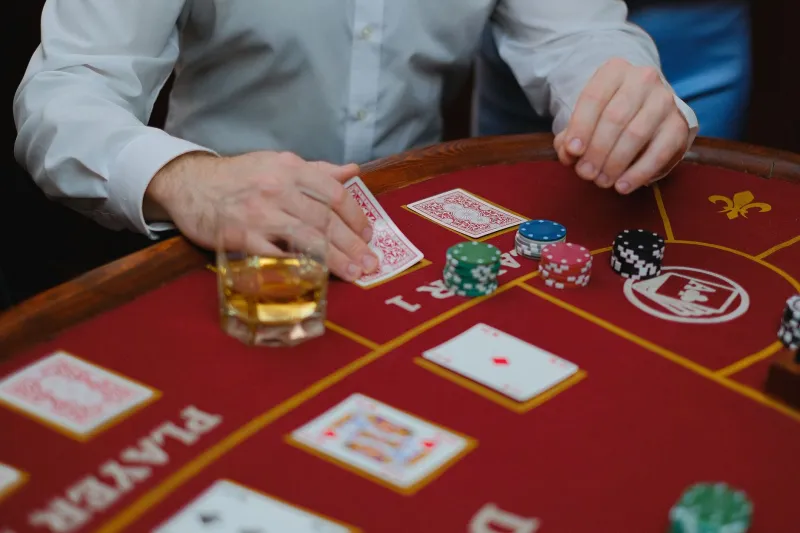
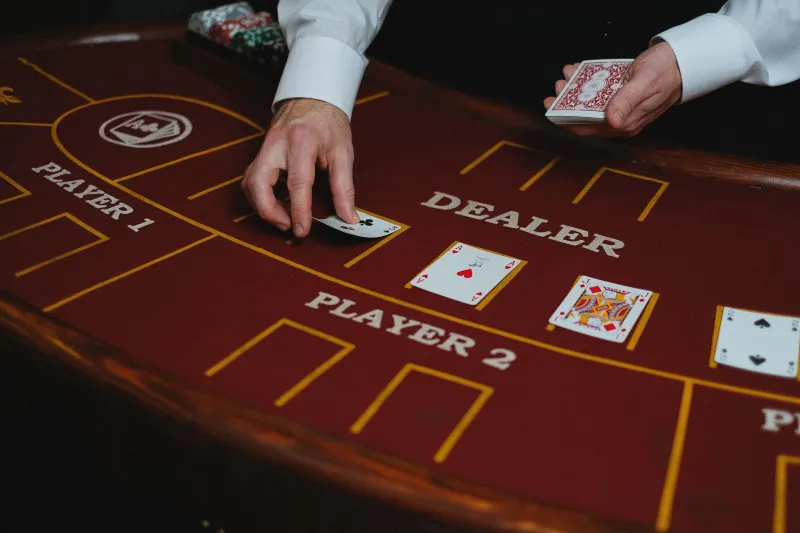
There's a moment at the blackjack table that happens dozens of times a night across every casino floor in America. A player gets dealt a 16 against the dealer's 10. They grimace. They tap the felt. They take a hit, bust, and push their chips toward the dealer like it was inevitable.
It wasn't inevitable. There was another option sitting right there on the table, and most players either don't know it exists or feel too uncomfortable to use it. That option is surrender — and ignoring it might be the single most expensive habit recreational blackjack players have.
What Surrender Actually Means
Surrender is a rule offered at many casinos — and a growing number of online blackjack platforms — that lets you fold your hand after seeing your two cards and the dealer's upcard. When you surrender, you forfeit half your bet and sit out the rest of the hand. That's it.
The version you're most likely to encounter in the US is called late surrender, which means you can only exercise the option after the dealer has checked for blackjack. If the dealer has 21, the hand is already over and surrender isn't available. Some games offer early surrender, which lets you fold even before the dealer peeks — that version is significantly more player-friendly and much harder to find.
For the purposes of this article, we're talking about late surrender, because that's the tool most American players actually have access to.
Why Half a Bet Back Is Actually a Big Deal
Here's the mental shift that most players need to make: surrendering isn't losing. It's a controlled exit from a situation where the math is stacked against you.
When you surrender, you lose 50 cents of every dollar wagered on that hand. When you play out a mathematically losing hand — say, a 16 against a dealer 10 — basic strategy tells you that you're going to lose that hand roughly 77% of the time. That means you're losing a full dollar about three out of four times you play it out.
Do the math across a session. If you play that hand ten times at $25 a pop and never surrender, you're looking at expected losses around $192.50 over those ten hands. Surrender every one of them and your loss is exactly $125. That's a $67.50 difference on just one hand situation over just ten repetitions. Stretch that across a full night at the table and the numbers start to look genuinely significant.
The Hands That Actually Call for Surrender
This is where players get into trouble — either they refuse to surrender at all, or they start surrendering too liberally and giving up equity on hands they should be playing out. Basic strategy is specific here.
Hard 16 vs. Dealer 9, 10, or Ace — This is the big one. Hard 16 (not a pair of 8s, which you should always split) is the weakest hand in blackjack, and when the dealer is showing a strong upcard, surrender is the correct play every time.
Hard 15 vs. Dealer 10 — This one surprises a lot of players. A 15 feels like a playable hand, but against a dealer 10, you're in rough shape. Surrender saves you money here over the long run.
Hard 17 vs. Dealer Ace (in some rule sets) — If the dealer hits soft 17 (H17 rules), surrendering a hard 17 against an ace is mathematically correct. This one is counterintuitive because 17 feels like a decent hand, but the dealer's ace in an H17 game is an absolute monster.
Those are the core surrender spots in standard American blackjack. Memorize them. Put them on a strategy card if you need to — most casinos won't bat an eye at a player using one.
Where to Actually Find the Surrender Option
Here's the catch: not every casino or online platform offers surrender, and it's rarely advertised. On a live casino floor, the rule is usually buried in the table's fine print or mentioned only if you ask. In Las Vegas, surrender is available at a decent number of Strip properties, particularly at higher-limit tables. Downtown Vegas tends to be a bit more generous with player-friendly rules in general.
Online blackjack is actually where surrender becomes easier to access and use. Many online platforms that cater to US players — particularly those offering RNG blackjack or live dealer games — include late surrender as a standard feature. Because everything is menu-driven, the option is literally a button on your screen. There's no awkward hand signal to learn, no dealer interaction to navigate. You see your cards, you see the dealer's upcard, and if the math says fold, you click surrender and move on.
Before you sit at any table — physical or digital — check the rules. Look for "LS" (late surrender) in the game's rule display. If it's not there, factor that into your game selection.
The Pride Problem
Let's be honest about why so many American players skip surrender even when they know it exists: it feels like quitting. There's a cultural thing at the blackjack table where folding a hand reads as timid, especially when other players are watching.
Flip that thinking. Surrendering the right hand at the right moment is one of the most disciplined moves in the game. It means you've done the math, you've checked your ego at the door, and you're making a decision based on probability rather than pride. That's not timid — that's exactly the kind of thinking that separates players who manage their bankrolls well from players who keep wondering where their money went.
The dealer doesn't care whether you surrender. The other players at the table shouldn't either. The only thing that matters is whether your decisions are mathematically sound over time.
Building Surrender Into Your Game
If you're newer to using surrender, start simple. Commit the three core situations to memory — hard 16 vs. 9/10/A, hard 15 vs. 10, and hard 17 vs. A in H17 games — and apply them consistently. Don't expand beyond those spots until you're comfortable, and don't start surrendering hands that basic strategy says to play out.
Track your results over a few sessions. You won't see a dramatic swing in any single night, but over time the difference between surrendering correctly and never surrendering at all compounds into real, measurable savings.
Blackjack rewards discipline more than it rewards instinct. Surrender is one of the clearest examples of that principle in action — a tool that mathematically reduces your losses, available on demand, that most players leave completely untouched. Don't be most players.