Chasing 21: How One Perfect Hand Convinces You the Table Owes You Everything
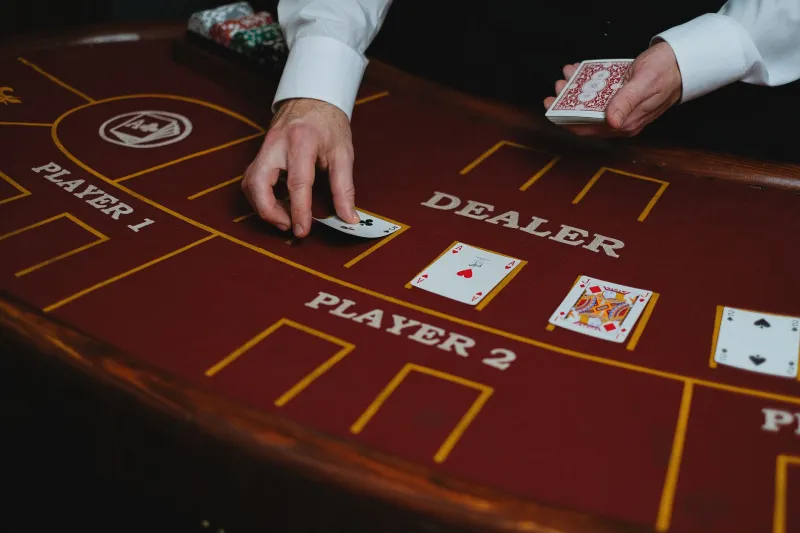
There's nothing quite like it. The dealer flips your last card, it lands on the exact number you needed, and suddenly you're at 21. The table reacts. You feel like you cracked something open. For a few seconds, you're not just a player — you're the player.
And that feeling? It's one of the most dangerous things in the casino.
Not because 21 is bad. Obviously hitting 21 is good. The problem is what happens after — in your head, in your betting, and in the next twenty minutes of play that most people handle completely wrong.
The Brain Chemistry Nobody Talks About
When you hit a big hand, your brain floods with dopamine. That's not a metaphor — it's a measurable neurochemical event. The same reward circuitry that lights up when you eat something delicious or hear a song you love fires hard when you win a notable hand at the felt.
Here's the catch: dopamine doesn't just make you feel good. It makes you confident. More specifically, it makes you feel like what just happened is going to keep happening. Psychologists call this outcome bias — the tendency to judge your decisions based on how they turned out rather than whether they were actually sound.
Hit 21 once, and suddenly every aggressive play you made on the way there looks smart in hindsight. Even the ones that were genuinely reckless.
What Casinos Know That You Don't
Casino floor designers, game developers, and pit managers aren't guessing about any of this. The visual and audio design of table games — the sounds, the dealer's reactions, even the way chips stack — are deliberately calibrated to amplify big-moment wins.
Why? Because a player who just hit 21 is statistically more likely to increase their next bet. They're more likely to make aggressive plays on soft hands they'd normally play conservatively. They're more likely to stay at the table longer than their original session plan called for.
The casino didn't win on that hand. But they just set the table for several hands where the math tips back in their favor — and you're now emotionally primed to hand it back.
One Hand Is Not a Session
Here's the mental shift that separates experienced players from people who blow through their buy-in in forty minutes: a single hand, no matter how good, tells you nothing about how your session is going.
Your session's health is measured across all hands — wins, losses, pushes, the whole run. One 21 in a sea of average hands doesn't change your expected value on the next deal. The deck doesn't remember. The house edge doesn't take a break because you just had a moment.
If you walked in with $200 and you're now sitting at $230 after that 21, you're up $30. That's the story. Not the story your brain is telling you, which sounds more like I figured this table out and I'm about to go on a run.
The Bet-Sizing Trap
The most common mistake after hitting 21 is what we'd call the euphoria bump — unconsciously increasing your next bet because you feel hot. Sometimes players do this deliberately, thinking they're pressing a winning streak. Sometimes it just happens without them noticing.
Either way, the result is the same: you're now betting more money during a period when you have no statistical reason to expect better outcomes. The variance gods don't care about your last hand. If anything, the elevated bet size just means a normal losing hand now costs you more than it should.
A disciplined session plan sets your bet sizing before you sit down, and it doesn't move based on emotional state. You can adjust for bankroll changes — that's legitimate. But adjusting because you felt great two hands ago? That's the casino doing its job.
Separating the High From the Strategy
None of this means you can't enjoy hitting 21. You absolutely should. Acknowledge it, feel it, maybe let out a quiet fist pump if that's your thing. The felt is supposed to be fun.
But then take a breath, look at your total stack, and reconnect with your session plan. Ask yourself: Am I up or down overall? Is my bet sizing still where I intended it to be? Am I playing the next hand or riding the last one?
Those three questions cost you nothing and can save you a lot. The moment you start playing from your last hand instead of toward your session goal, you've already started losing — even if the chips haven't caught up yet.
The Longer Game
Blackjack rewards players who think in sessions, not hands. The pros — the people who walk away from a table with more than they sat down with on a consistent basis — aren't the ones who get the most excited about individual wins. They're the ones who treat every hand as a single data point in a longer story.
Your 21 was great. Write it down, count it in your total, and move forward with the same clear head you had before it happened.
Because the next hand doesn't know you just had the best moment of your night. And if you're still riding that high when it's dealt, you're playing with your heart instead of your head.
At 21 Blackjack, we'll always tell you: deal smart, even when the cards are going your way.