Why the Sessions You Win the Most Are the Ones That Should Scare You
Let's say you sit down with $200, play for two hours, and walk away with $480. That's a good night. You played well, the cards cooperated, and the decisions felt sharp. You drive home feeling like you finally cracked something.
Now let's say you come back two days later. Same table, same buy-in. You lose $340 in ninety minutes.
That sequence — big win followed by bigger loss — is one of the most common patterns in blackjack, and it's not random bad luck. It's the variance cliff. And if you've played blackjack more than a handful of times, you've probably already fallen off it at least once.
What Variance Actually Means at the Blackjack Table
Variance is the statistical spread of outcomes around an expected value. In blackjack, the expected value over a long run is slightly negative — the house has an edge. But in the short run, outcomes can swing dramatically in either direction. That's variance doing its thing.
A single two-hour session is not a long run. It's a tiny, noisy sample. Winning $280 in one session doesn't mean you've beaten the house edge — it means you were on the positive side of a short-term swing. The edge is still there. It's just waiting for the sample size to grow.
The problem isn't that variance exists. The problem is what players do with it psychologically.
The Confidence Distortion
After a strong session, the brain does something that feels productive but is actually destructive: it looks for explanations. You played well. You made the right reads. You trusted your instincts at the right moments. The win becomes evidence of skill, and that perceived skill starts influencing future decisions in ways that aren't always visible.
Here's what that actually looks like at the table:
Bet sizing creeps up. You won $280 last time, so $25 minimums feel more natural this session than they did before. You're playing with "house money" mentally, which means you're playing with real money carelessly.
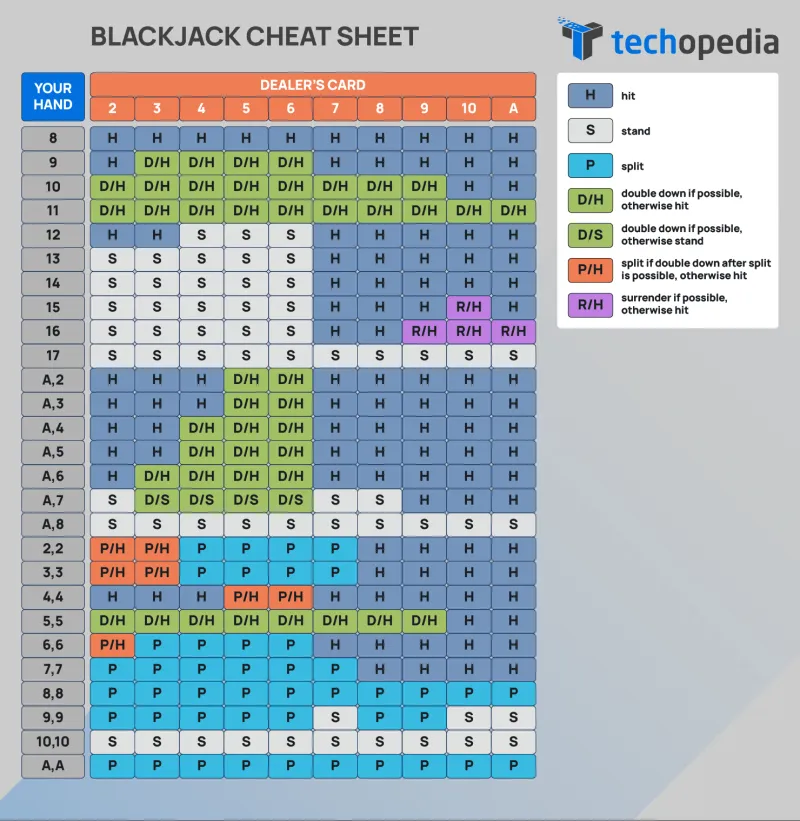
Deviations from basic strategy feel justified. You stood on a 15 against a dealer 7 last session and it worked out. So this time, that instinct feels validated. You start making decisions based on recent memory rather than probability.
Loss tolerance expands. You're up overall (across sessions), so a $100 loss feels like a rounding error. You stay at a bad table longer. You chase a little more than you normally would.
None of these shifts feel dramatic in the moment. That's the whole point. The variance cliff doesn't announce itself — it just quietly changes the angle of the slope.
The Math Doesn't Reset Between Sessions
This is the part that trips up even players who understand basic strategy reasonably well: each new session doesn't start fresh from a mathematical standpoint in the way it feels like it does.
Your bankroll is cumulative. The house edge is cumulative. The damage done by a 2% edge at a bad table compounds over every hand you play, regardless of which session those hands fell in. Thinking of sessions as isolated events — "I won last time, so I can afford to loosen up this time" — is a framing error that the casino's business model depends on.
Winning sessions are not investments you can draw down. They're variance spikes in a long-run graph that trends, very slightly but very consistently, toward the house.
What Actually Protects Your Winnings
The answer isn't to stop playing well or to assume every good session will be followed by a disaster. It's to build systems that don't depend on your emotional state after a big win.
Set a session win limit before you sit down. Decide in advance what number makes you walk away happy. Write it down if you have to. When you hit it, you're done — not because you're scared of losing, but because you made a decision when your judgment was clean and you're honoring it.
Don't adjust your bet sizing based on recent session results. Your unit size should be tied to your total bankroll, not to how last Tuesday went. A solid rule of thumb: no single bet should exceed 2-5% of your total gambling bankroll, regardless of recent outcomes.
Treat the next session like a stranger. The previous session's results are not data points for your next table strategy. They're noise. Show up with the same bet sizing, the same strategic discipline, and the same exit criteria you'd apply if you'd never played before.
Watch for the "I'm up overall" mindset. The moment you start calculating lifetime wins to justify current losses, you're no longer playing blackjack — you're rationalizing. That's a different game, and the house wins it every time.
The Variance Cliff in Practice
Here's a scenario that plays out on American casino floors constantly. A player has a great Friday night — up $400, felt invincible, left at the right time. Saturday rolls around and they return with elevated confidence and a looser approach to bet sizing. They're not reckless, just a little more comfortable.
By Saturday evening they've lost $350. They're now up $50 across both sessions. They feel like they "gave back" their winnings, which creates frustration that pushes them toward a third session to "get right." That third session is where the real damage happens.
The Friday win wasn't the problem. The story they told themselves about what the Friday win meant — that was the problem.
Momentum Is a Story, Not a Strategy
Blackjack doesn't have momentum. Cards don't run hot or cold in any way that persists across hands or sessions. What feels like momentum is pattern recognition applied to random data, which is one of the most persistent cognitive errors in gambling.
Your best sessions should trigger discipline, not confidence. Walk away clean. Reset your expectations. Come back with the same approach you'd use if you were starting from zero.
The players who last longest at the blackjack table aren't the ones who ride winning streaks hardest. They're the ones who treat every session — good or bad — like it's the first one they've ever played.
That's not pessimism. That's the only rational response to variance.