Pairs on the Felt: The Splitting Decisions That Separate Winners From Wishful Thinkers
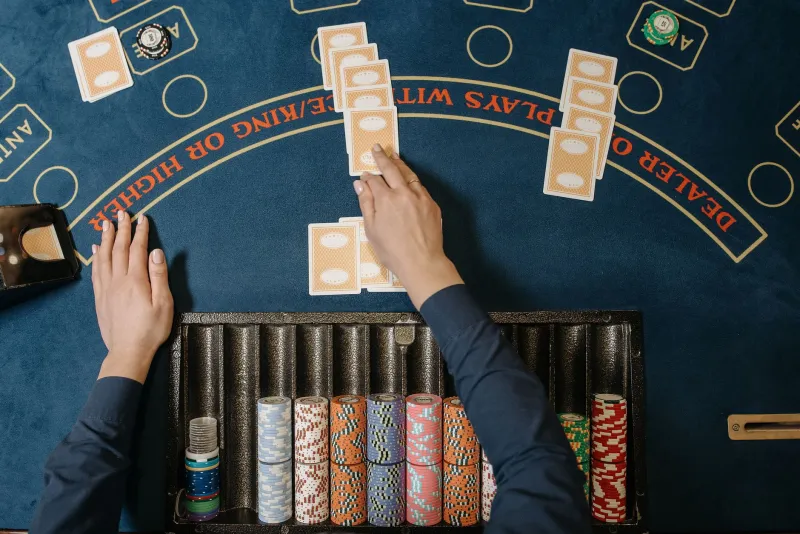
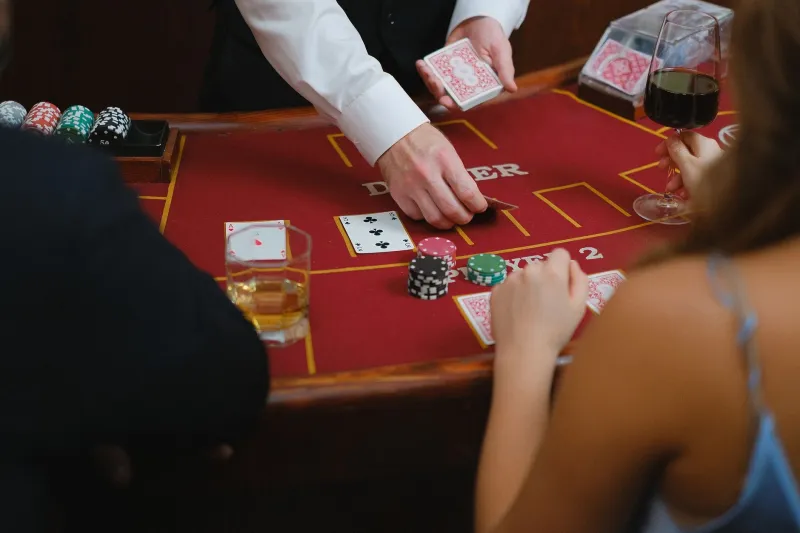
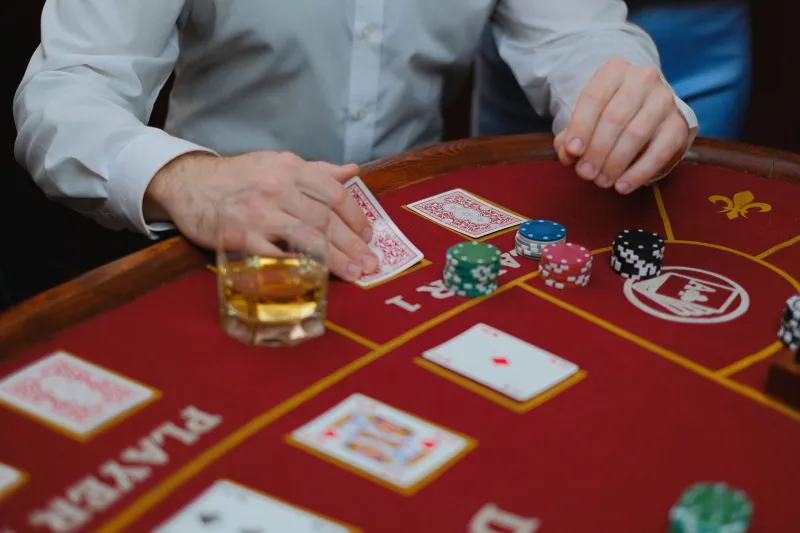
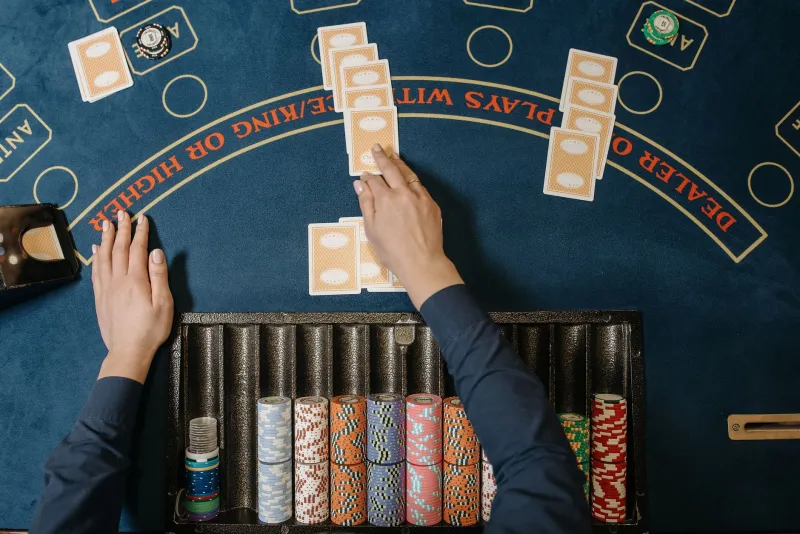
Every hand in blackjack is a small war. Most of the time, your options are limited — hit or stand, maybe double if the stars align. But when you're dealt a pair? The table shifts. Suddenly you've got a decision that can either multiply your advantage or quietly accelerate your losses. Splitting pairs is one of the highest-leverage moves in the game, and the average American player treats it like a coin flip.
It's not a coin flip. It's math. And the math has opinions.
Why Splitting Matters More Than Most Players Think
Here's the thing about pairs: you're not just deciding whether to play two hands instead of one. You're deciding whether your current hand is worth rescuing or whether the individual cards are worth more when they go their separate ways. That's a fundamentally different way of thinking about the game, and it's one most casual players never fully make the shift to.
The house edge in blackjack sits somewhere between 0.5% and 2% depending on the rules at your table. Correct splitting decisions can chip away at that edge in meaningful ways. Wrong ones hand it right back — sometimes with interest.
Let's go through the pairs that actually matter, because not all of them are complicated.
The No-Brainers: Aces and Eights
Start here, because these two are non-negotiable.
Always split aces. A pair of aces gives you a combined value of either 2 or 12 — both terrible starting points. Split them, and you've got two chances to land a ten-value card on top of an ace, which is about as close to a guaranteed strong hand as blackjack offers. Most casinos restrict you to one additional card per ace after a split, which takes some of the shine off, but the math still screams split. Every time.
Always split eights. This one trips people up because 16 feels like it's close to something. It's not. Hard 16 is the worst hand in the game — statistically, you're going to lose more often than not no matter what you do. Splitting gives you two fresh starts from 8, which is a workable number. Yes, even against a dealer showing a 9, 10, or ace. You're probably losing that hand regardless; splitting at least gives you two shots at damage control instead of one guaranteed disaster.
The fear of splitting eights against a strong dealer upcard is one of the most expensive habits in American blackjack. Don't let emotion override probability.
The Ones You Should Never Split
Tens are sacred. Do not touch them.
This is where greed gets expensive. You're sitting on 20. The dealer is showing a 6. You're thinking, two hands, two chances to win big. Stop. A hard 20 wins roughly 85% of the time against a dealer showing a weak upcard. You are in one of the strongest positions the game will ever put you in. Splitting that hand to chase two potential winners is statistically reckless — and casinos love players who do it.
Five-value cards fall into the same category. A pair of fives gives you 10, which is a premium doubling hand against most dealer upcards. Splitting fives turns two potentially powerful hands into two hands starting at 5, which is genuinely bad. Double down on that 10 instead.
Never split fours, either. A pair of fours totals 8, which is a decent hitting hand. Split them and you've got two hands starting at 4 — weak positions that rarely lead anywhere good. The exception is a very specific scenario in some rule sets, but as a general rule, keep fours together.
The Situational Splits: Where Context Actually Matters
This is where basic strategy gets interesting, because these pairs aren't always right or always wrong — the dealer's upcard changes everything.
Twos and threes: Split against dealer upcards of 2 through 7. These are the cards that give the dealer the most bust potential, and splitting low pairs against them gives you two shots at building a solid hand while the dealer is already in trouble. Against an 8, 9, 10, or ace? Hit instead.
Sixes: Split against a dealer showing 2 through 6. A 6 is a weak upcard — the dealer busts more often from there than from anywhere else on the board. Splitting your sixes lets you put more money in play during a moment when the house is vulnerable. Against anything stronger, just hit your 12.
Sevens: Similar logic — split against dealer upcards of 2 through 7, hit against 8 or higher. A pair of sevens totaling 14 is already a rough hand; splitting at least gives you two starting points that could go somewhere. Against a dealer showing 8 or above, you're unlikely to build strong enough hands to compete, so hitting and hoping for a 3 or 4 is the better play.
Nines: This one confuses a lot of players because 18 seems fine. And it is — against some upcards. Split nines against dealer 2 through 6, and also against 8 or 9. Stand against dealer 7, 10, or ace. The logic: 18 beats a dealer likely to finish at 17, so you stand. But against an 8 or 9, splitting gives you two chances to build a stronger hand than the one you already have.
The Real Cost of Getting This Wrong
Think about a typical session — say, three hours at a $15 table. You're probably seeing 60 to 80 hands per hour. Pairs come up more often than people expect. Over the course of a session, making the wrong splitting call four or five times doesn't just cost you those individual hands. It compounds. You're giving back edge you could have kept.
The players who treat pairs casually — who split tens because they're feeling lucky, or who refuse to split eights because 16 feels like it might somehow work — are essentially paying a tax on bad habits. The casino doesn't care. The math doesn't care. The felt doesn't care.
But your bankroll does.
Build the Habit Before You Build the Bet
If you're serious about tightening up your game, pair splitting is one of the fastest places to find real improvement. It's not complicated once you internalize the framework: always split aces and eights, never split tens and fives, and let the dealer's upcard guide every other decision.
Print out a basic strategy card. Most casinos allow them at the table. Use it until the decisions are automatic. Because the moment you're relying on instinct at a blackjack table, you're playing the house's game — not yours.