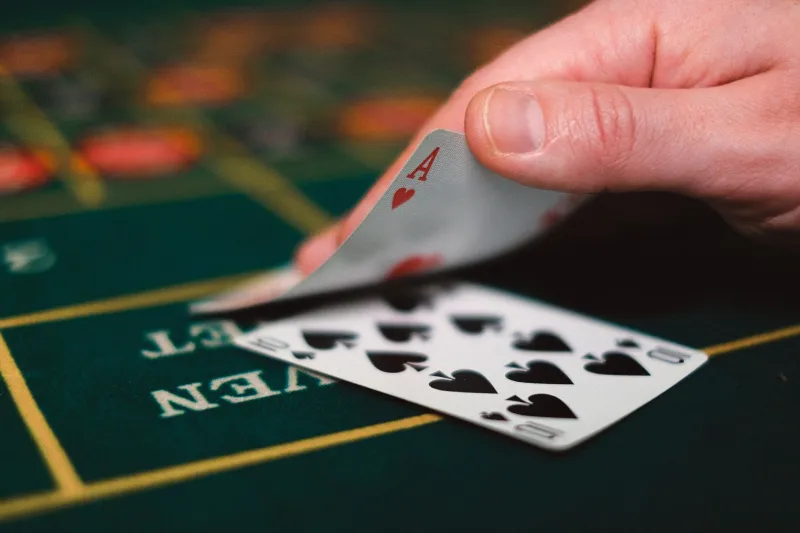
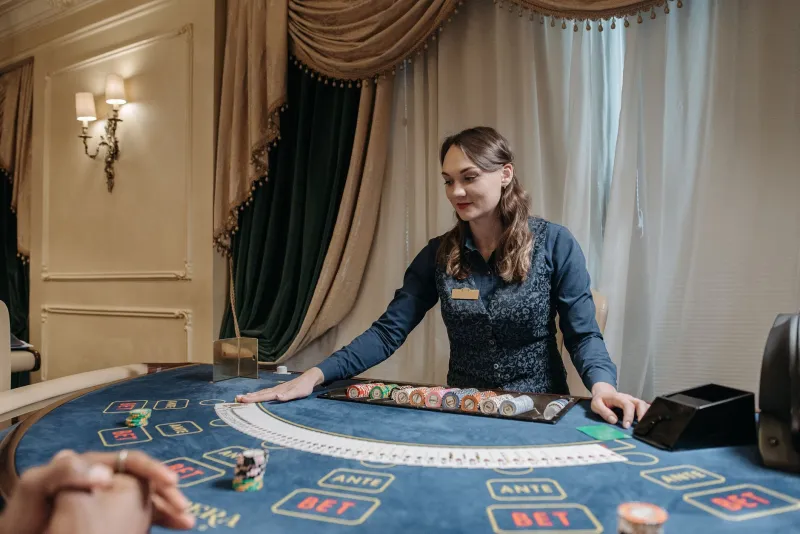
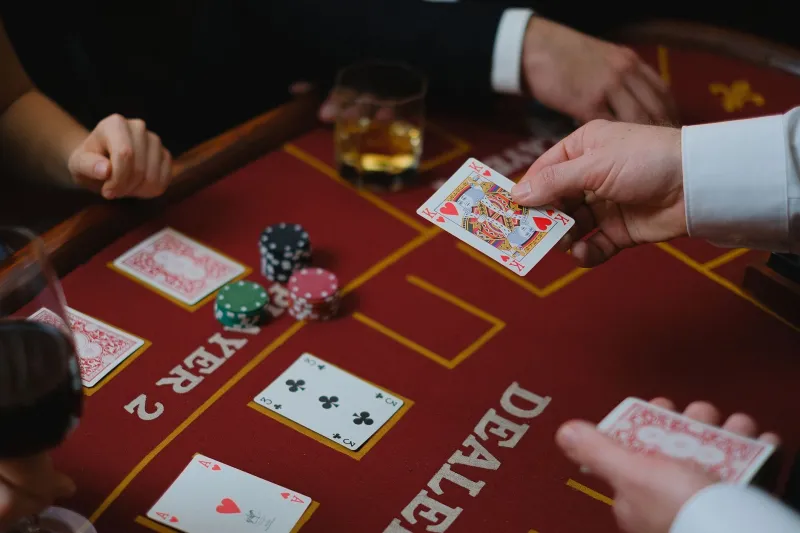
2 AM and Deciding: Live Dealer or RNG Blackjack — Here's How to Actually Choose
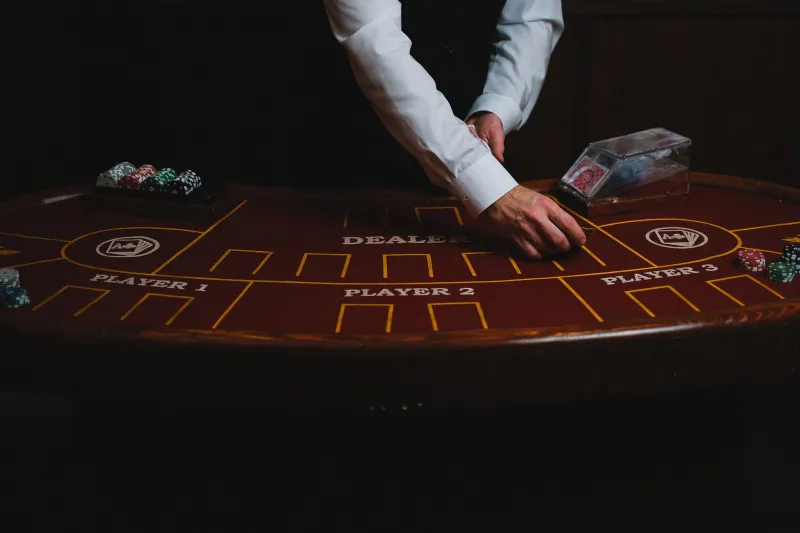
It's late. You've got an hour, maybe two. You open your preferred online casino and immediately face a choice that most players make on autopilot: live dealer table or standard software game?
Most people pick based on mood or habit. That's fine, but there's actually a meaningful strategic difference between the two formats — one that affects everything from how fast you burn through your bankroll to how many mistakes you make per hour. If you're playing with real money, it's worth spending two minutes thinking about which format actually fits your situation.
Let's break it down properly.
The Speed Problem Nobody Talks About
This is the biggest practical difference between RNG blackjack and live dealer games, and it's the one that hits your bankroll hardest.
A software-based RNG game can run anywhere from 200 to 400 hands per hour if you're clicking through decisions quickly. There's no dealer to shuffle, no other players, no camera feeds to buffer. The game moves exactly as fast as you do.
A live dealer table runs somewhere between 40 and 80 hands per hour, depending on how many players are seated and how efficiently the dealer operates. That's a dramatic difference.
Why does this matter? Because every hand you play carries the house edge. Even with perfect basic strategy, you're giving up roughly 0.5% per hand on a decent-rules table. At 300 hands per hour, that edge compounds into real money, fast. At 60 hands per hour, your expected loss rate per hour drops proportionally.
For a $10 flat bettor, the difference between 300 and 60 hands per hour is the difference between an expected hourly loss of around $15 versus $3. That's not a rounding error — that's a meaningful shift in how long your session bankroll lasts.
The takeaway: If you're working with a limited bankroll and want more playing time, live dealer games are structurally friendlier to your stack, even before you consider anything else.
Decision Quality Under Different Conditions
Here's where the 2 AM factor becomes genuinely relevant.
RNG games require you to make decisions entirely on your own clock. There's a timer on some platforms, but generally speaking, you can sit and think about a tricky split or double decision for as long as you need. Nobody's waiting. There's no social pressure.
Live dealer tables have a real human on the other side of the screen, and there are typically other players at the table. There's a time limit on decisions — usually generous, but it exists. For players who are tired, distracted, or still learning basic strategy cold, that clock creates pressure that leads to mistakes.
Soft hands, unusual splits, borderline doubles — these are exactly the situations where tired players make errors. And errors in those spots cost more than errors on simple decisions, because those are the moments where basic strategy is most valuable.
If you're sharp and confident in your strategy, the live dealer pace is totally manageable. If you're running on three hours of sleep and you're not entirely sure whether to split 4s against a 5, the RNG format gives you the breathing room to make the right call.
The Feel Factor (And Why It's Not Just Psychological)
Live dealer games offer something an RNG game genuinely cannot: the social and experiential texture of a real casino session. There's a human dealing cards from a physical shoe. You can watch the cards come out. The shuffle is real. The interaction — even through a chat window — is real.
For a lot of American players, this matters beyond pure preference. There's a legitimate trust element here. RNG games use certified random number generators that are audited and regulated, and for the most part they're completely fair. But the abstract nature of the software can feel disconnected in a way that makes some players second-guess themselves or the game.
With a live dealer, you can see the shoe. You can watch the cut card. The process is transparent in a way that a random number generator, by definition, cannot be.
This psychological comfort isn't trivial. Players who trust the game they're in make better decisions. Players who are mentally arguing with the software about whether the RNG "feels off" are not playing their best blackjack.
Bankroll Management by Format
Because of the speed difference, your bankroll management approach should actually shift depending on which format you choose.
For RNG games, set a strict time limit rather than just a loss limit. If you're capable of playing 300 hands per hour and you've been at it for ninety minutes, you've already played more hands than most people do in a full evening at a physical casino. The loss limit you set should account for that volume.
For live dealer games, the slower pace means your session budget naturally stretches further. But be careful about getting comfortable and extending sessions longer than planned. The per-hand edge doesn't care how relaxed the pace feels.
One practical rule worth adopting: decide your format before you open the casino app, not after you see what's available. Choosing based on what looks appealing in the moment usually means choosing the format that's most stimulating right now, not the one that fits your bankroll or mental state.
When Each Format Actually Makes Sense
Here's a quick practical guide based on common late-night scenarios:
Go live dealer if:
- You have a limited bankroll and want it to last
- You want the closest thing to a real casino experience
- You're comfortable with your strategy and don't need extra decision time
- You want to slow down and be deliberate about each hand
Go RNG if:
- You want to practice strategy at volume without social pressure
- You're short on time and want a compressed session
- You're testing a new approach and want fast feedback
- You want complete control over the pace of play
Neither format is objectively better. They serve different purposes and suit different players at different moments. The smart move is knowing which one you actually need right now — not just defaulting to whatever loads first.
At 2 AM, that kind of intentionality is exactly what separates a solid session from a regrettable one.