Shiny Objects on the Felt: The Real Cost of Blackjack Side Bets and Why the Casino Loves Them More Than You Do
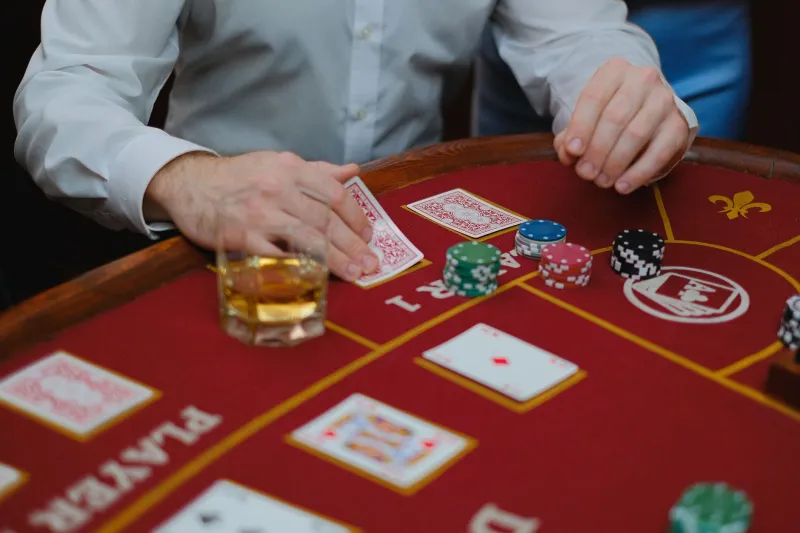
You sit down at a blackjack table somewhere on the Strip — or maybe at a tribal casino in Oklahoma or a riverboat in Louisiana — and right there next to the main betting circle is a smaller one. Sometimes it says "Perfect Pairs." Sometimes it's "21+3" or "Lucky Ladies." There might even be a progressive jackpot meter ticking upward above the table. The dealer gives you a look that says go ahead, it's fun, and for a second, it genuinely feels like a no-brainer.
That feeling? That's the casino doing its job exceptionally well.
Side bets are one of the most carefully engineered features in modern blackjack, and understanding what they actually cost you is the difference between a player who's been informed and one who's just been entertained.
Why Side Bets Feel Like Skill When They're Mostly Luck
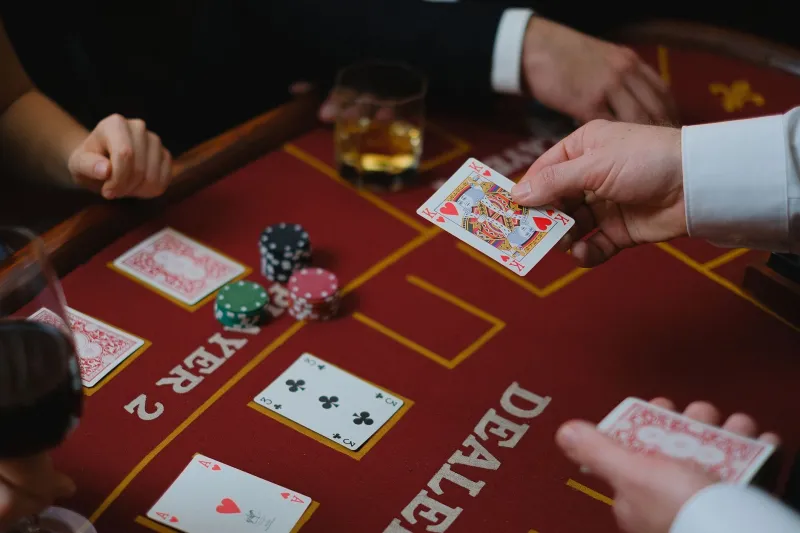
The genius of blackjack side bets is that they borrow the language of skill without giving you any of the actual control. Take 21+3, for example. Your first two cards plus the dealer's upcard need to form a poker hand — a flush, straight, three of a kind, or suited trips. It sounds like poker. It references poker. Your brain starts doing poker things.
But you can't fold. You can't bluff. You can't read anyone. You placed your bet before the cards came out, and now you're just watching. The poker framing is aesthetic. The outcome is pure chance.
Perfect Pairs works the same way. Two cards of the same rank pay out — more if they're the same color, even more if they're the same suit. Simple enough. But the appeal is that it feels like you're betting on something specific, something almost predictable. You're not. You're betting on a random draw from a multi-deck shoe with no strategic input whatsoever.
Casinos understand that players engage more deeply when they feel like participants rather than spectators. Side bets manufacture that feeling without giving you any actual leverage.
The Numbers Behind the Glamour
Here's where things get uncomfortable. The main game of blackjack, played with basic strategy, carries a house edge somewhere between 0.5% and 1% depending on the specific rules at your table. That's genuinely one of the best deals in the casino. Side bets live in a completely different universe.
Perfect Pairs typically runs a house edge between 4% and 8%, depending on the number of decks in play and the specific pay table posted at the table. Some versions stretch even higher.
21+3 generally sits around 3.2% to 13.4% — yes, that range is real, and the variation depends almost entirely on the casino's pay table. The version you're playing at your local casino might be considerably worse than the one at a Vegas flagship property.
Lucky Ladies, which pays big when your first two cards total 20 — especially a pair of queens — carries a house edge that frequently lands between 17% and 25%. The jackpot version, where you need matched queens plus a dealer blackjack, can push even higher depending on the progressive structure.
For context, a 25% house edge is worse than keno. Significantly worse than most slot machines. You are, statistically speaking, lighting a meaningful portion of every dollar on fire with that bet.
The Progressive Jackpot Illusion
Many side bets come attached to progressive jackpots — a growing pool of money that accumulates until someone hits a rare combination. These are particularly effective at pulling players in because the top prize is visible and often substantial. Seeing a meter tick toward $50,000 creates a lottery-brain response that's genuinely hard to shake.
What the display doesn't show you is how much money has flowed into that meter, how frequently the jackpot actually hits, or what the overall return percentage looks like when you factor in the full pay table. In most cases, even with a healthy progressive pool, the expected value of the bet remains deeply negative. You're paying a premium for the story of a big win, not a mathematically reasonable shot at one.
How Casinos Engineer the Presentation
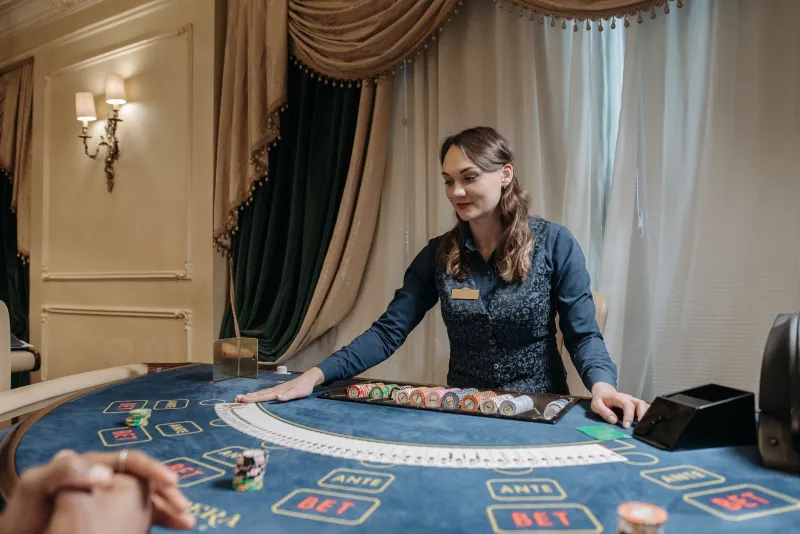
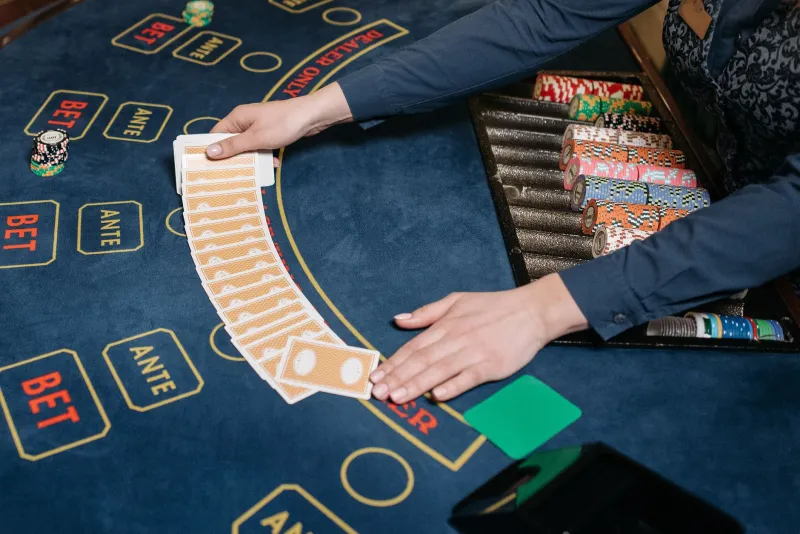
Notice that side bet circles are almost always positioned inside the main betting circle or directly adjacent to it. Your chip is already in your hand. You're already leaning forward. Adding a second chip to a second circle is a tiny physical motion that costs you nothing in effort and everything in edge.
The payouts are also calibrated to feel exciting without being honest about probability. A 25-to-1 payout sounds incredible until you realize the true odds of hitting that combination are closer to 100-to-1 or worse. The gap between the payout and the actual probability is where the house edge lives, and with side bets, that gap is a canyon.
Dealers at many casinos are also trained — or at least incentivized through tips — to mention side bets, demonstrate them, and celebrate when players win them. A $50 Lucky Ladies payout at a table draws attention. It creates social proof. Nobody announces the 200 hands where the same bet quietly drained a dollar or two at a time.
When, If Ever, Does a Side Bet Make Sense?
Here's an honest answer: almost never from a pure expected-value standpoint. But let's be real about how people actually use blackjack tables.
If you're playing for entertainment and you genuinely enjoy the extra action, a small, infrequent side bet isn't going to ruin your session. The key word is small. Betting $1 or $2 on a side bet while your main wager is $15-$25 means you're buying a little extra excitement at a defined cost. That's a personal choice, not a math error.
The danger zone is treating side bets as a serious part of your strategy — chasing losses through them, sizing them comparably to your main bet, or playing them on every single hand. That's where recreational fun crosses into genuinely damaging territory for your bankroll.
Card counters occasionally find side bets exploitable when a deck runs extremely rich in certain cards — Lucky Ladies, for instance, becomes more attractive when tens are heavily concentrated. But that's a niche advantage play conversation, not something relevant to 99% of players sitting down at a table tonight.
Keep Your Chips on the Main Circle
The main game of blackjack, with solid basic strategy, is already one of the most player-friendly bets in any American casino. That's not an accident — it's the reason the game has survived and thrived for generations. The house edge is thin enough that you can have a genuinely competitive experience over a long session.
Side bets exist to fatten margins, and they do it elegantly. They look like bonuses. They feel like options. They're neither.
Next time you sit down and spot that extra circle on the felt, appreciate it for what it is: a well-designed revenue tool. Then put your chip exactly where it belongs — on the main bet, where the math is actually in the same zip code as being fair.
Deal smart. The felt will tell you plenty if you know how to read it.